Commercial Truck Parts FAQs: Performance, Reliability, and Cost Statistics


The industrial trucking business continues to expand along with world wide trade, logistics, and infrastructure development. As fleets grow and vehicles stay on the way longer, parts online are becoming a critical concentration for fleet managers, fix experts, and logistics operators. This informative article answers the most typical questions using business statistics and trend-based insights.
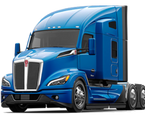
What Is Operating the Demand for Commercial Vehicle Areas?
Business information shows that around 65% of professional trucks stay static in service for more than 10 years, raising the requirement for replacement and preservation components. As opposed to purchasing new vehicles, fleet operators increasingly rely on supreme quality commercial vehicle components to increase car life rounds and control capital costs.
The rise of e-commerce has also increased average fleet use rates by 20–30%, immediately impacting wear on braking methods, suspension components, filters, and drivetrain components.
Which Professional Vehicle Elements Are Most Usually Replaced?
Mathematical reports from preservation suppliers show that probably the most typically replaced professional truck parts include:
Brake parts (pads, rotors, air systems)
Engine filters and straps
Suspension and steering elements
Electric parts and lighting systems
Brake programs alone account fully for almost 28% of annual truck preservation spending, highlighting their significance in safety and compliance.
How Do Quality Vehicle Pieces Influence Fleet Efficiency?
Studies reveal that fleets using trusted, well-matched professional truck areas knowledge:
15–18% less roadside breakdowns
Improved fuel effectiveness by as much as 7%
Paid down vehicle downtime by almost 25% annually
Consistent portion quality assists keep optimum motor performance, ensures regulatory conformity, and increases driver assurance on long routes.
Are Commercial Truck Areas Purchases Getting More Electronic?
Yes. New data demonstrate that around 55% of vehicle elements buyers now study or buy online. Digital systems let consumers to compare requirements, assure compatibility, and accessibility a wider array of inventory. That shift helps faster procurement rounds and better price openness for fleet operators and separate mechanics.
What Traits Are Shaping the Industrial Truck Parts Industry?
Current knowledge features many critical tendencies:
Preventive preservation applications increasing by 40% year-over-year
Growing demand for emission-control and sensor-based areas
Better concentrate on longevity and lifecycle cost as opposed to transparent cost
As rules tighten and fleets focus on effectiveness, industrial truck areas that meet efficiency and submission requirements continue to gain preference.
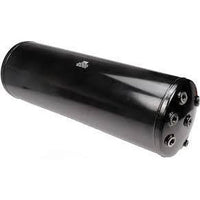
Why Are Industrial Vehicle Areas a Long-Term Investment?
Business forecasts estimate the global professional truck components industry may develop at a steady annual rate of over 5%, driven by ageing fleets and expanding transportation networks. Purchasing dependable parts reduces total functioning costs, improves car endurance, and supports uninterrupted operations.
Ultimate Perception
Industrial truck parts are no longer only substitute items—they're strategic resources for fleet stability and profitability. With information pointing toward lengthier vehicle utilization, higher mileage, and digital buying tendencies, selecting the most appropriate components represents a measurable role in functional success.